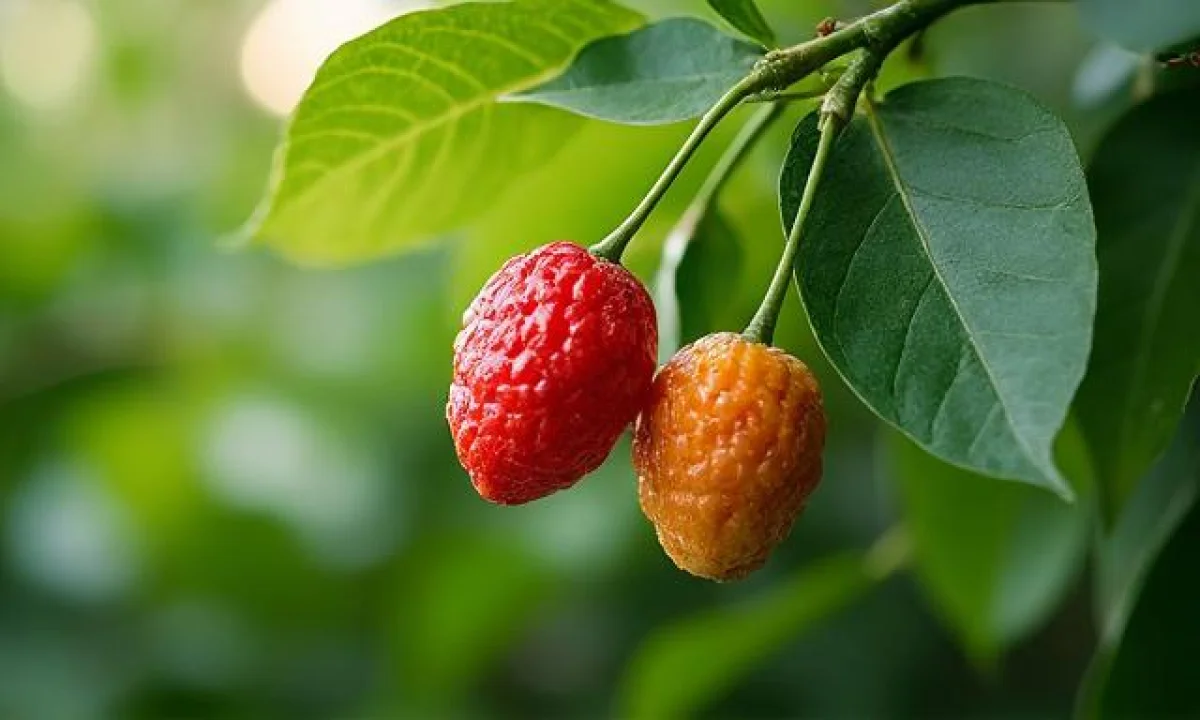
Picture this: it’s a drizzly Tuesday in Manchester, and you’re staring at a sad, half-eaten lychee in your hand—£3.50 for a puny pack at Tesco, and half of them are mushy. You think, ‘Sod this. I want fresh lychees. Right here. In my flat.’ Good news: you’re not crazy. Growing a lychee tree indoors in the UK isn’t just possible—it’s doable, even if your idea of a ‘garden’ is a windowsill in a Peckham studio. But here’s the kicker: most guides out there treat you like a botanist with a greenhouse. They’ll tell you to ‘maintain 70-80% humidity’ or ‘provide 14 hours of light daily’ and leave you Googling ‘how to build a humidifier from a bin bag.’
This isn’t one of those guides. I’m going to cut through the bollocks and give you the real steps—no PhD required. We’ll cover:
- Whether your lychee seed will actually grow (spoiler: it might not, but we’ll fix that).
- How to turn a £1.50 lychee from M&S into a tree that might fruit in 10 years (yes, it takes that long—deal with it).
- How to keep it alive in a UK climate where your flat’s as dry as a vicar’s sermon.
- What to do when your mate laughs and says, ‘You’re wasting your time.’ (Spoiler: you’re not.)
By the end, you’ll know exactly what to buy, where to screw up (we all do), and how to avoid the £200 ‘lychee tree kit’ scams on eBay. Let’s get started—before your seed dries out on the kitchen counter.
Can You Actually Grow a Lychee Tree Indoors in the UK?
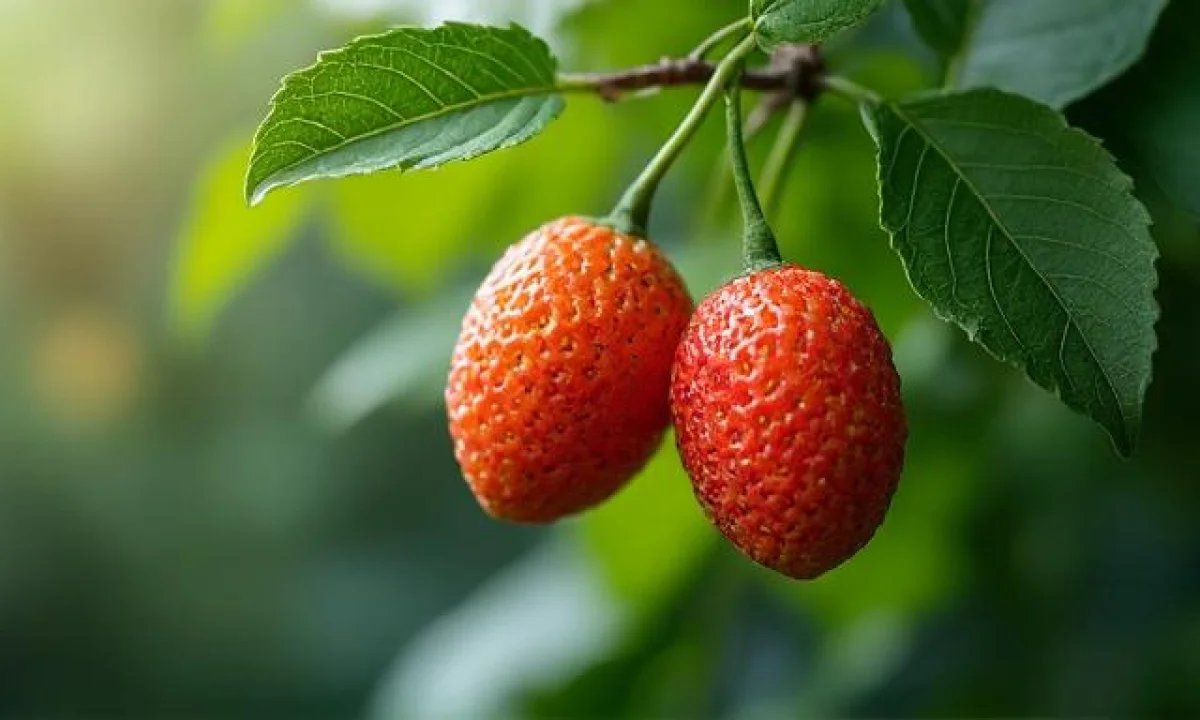
Short answer: Yes. Long answer: it’s a pain in the arse, but so is commuting to Birmingham every day, and you still do it. Lychees (Litchi chinensis) are tropical trees, which means they hate your central heating, your drafty windows, and your ‘I’ll water it when I remember’ routine. But with the right setup, they’ll survive—and maybe even fruit. Maybe.
Here’s the brutal truth:
- 90% of lychee seeds won’t germinate. Even if you buy ‘pre-germinated’ seeds online, half will be duds. Don’t waste money on fancy seed packs—grab a fresh lychee from your local Asian supermarket (Waitrose, Sainsbury’s, or a proper Chinese grocer in London/Manchester/Birmingham). The fresher the fruit, the higher your chances.
- It’ll take 10-15 years to fruit. Yes, years. If you’re reading this hoping for lychees by Christmas, put the seed down and walk away. This is a marathon, not a sprint. Most indoor lychee trees never fruit because people give up after 2 years. Don’t be that person.
- You will kill it at least once. Your first lychee tree? It’s a practice run. You’ll overwater it, underlight it, or forget it exists for 3 months. That’s fine. Learn from it. Your second tree will do better.
But if you’re still here, you’re serious. So let’s talk about what actually works—no fluff, no ‘trust the process’ nonsense.
Step 1: Pick the Right Seed (And Don’t Waste Your Money)
Not all lychee seeds are created equal. Here’s how to pick a winner:
- Buy fresh lychees. The seed inside a week-old lychee from the supermarket? 50% chance it’s dead. The seed inside a lychee you bought yesterday from a proper Asian grocer? 70% chance it’ll germinate. Pro tip: Ask for ‘Sweetheart’ or ‘Mauritius’ varieties—they’re the most common and easiest to grow.
- Check the seed. Crack open the lychee, fish out the seed, and rinse it. A good seed is:
- Plump, not shriveled.
- White or pale brown, not dark or mouldy.
- Firm, not soft or mushy.
- Germinate it fast. Lychee seeds dry out in hours. Don’t let it sit on your counter ‘to dry.’ Instead:
- Wrap it in a damp paper towel.
- Pop it in a sealed plastic bag (like a Ziploc).
- Stick it in the fridge for 3-4 weeks. The cold trick (called stratification) mimics winter and tricks the seed into thinking it’s safe to grow.
After 3-4 weeks, check the seed. If it’s sprouted a tiny white root (even just a millimetre), you’re in business. If not? Toss it and try another one. No guilt—this is trial and error.
Step 2: Plant It Right (Or Watch It Die)
You’ve got a sprouted seed. Now what? Most people screw this up by:
- Using the wrong soil (sand? Really?).
- Planting it too deep (it’ll rot).
- Drowning it (lychees hate soggy roots).
Here’s the only way to do it:
- Use the right soil mix. Lychees need aeration and drainage. Don’t buy ‘cheap potting mix’ from B&Q. Instead, mix:
- 50% cactus/succulent soil (holds water but drains fast).
- 30% perlite or vermiculite (keeps roots from suffocating).
- 20% orchid bark (adds chunkiness, prevents compaction).
- If you’re lazy, grab a pre-mixed ‘tropical plant mix’ from a proper garden centre (not Homebase).
- Plant the seed shallow. The seed should be buried just enough to cover the root—no deeper. Think ‘nail polish thin,’ not ‘finger deep.’
- Use a small pot (6-8cm wide). A massive pot = too much soil = root rot. Start small. You’ll repot later.
- Keep it warm and humid. Lychees are divas. They want:
- A temperature of 20-25°C (70-77°F). Your average UK flat in winter? Too cold. Fix it with a seedling heat mat (£15 on Amazon) or a warm spot near a radiator.
- 80-90% humidity. Your flat’s probably at 30%. Solution: Cover the pot with a clear plastic bag (yes, like a bin liner) or use a humidifier (or even a tray of water with pebbles under the pot).
Pro tip: Label your pot. Trust me. You’ll forget what’s in there by next week.
How to Keep Your Lychee Tree Alive (Without a Greenhouse)
Congrats, your seed has sprouted. Now the real fun starts: keeping it alive in a UK climate that’s basically the opposite of a tropical paradise. Here’s how to do it without spending £500 on grow lights and dehumidifiers.
Light: The #1 Reason Lychee Trees Die Indoors
Lychees need 12-16 hours of bright, indirect light per day. Your average UK windowsill? Not enough. Here’s how to hack it:
| Option | Pros | Cons | Cost (£) |
|---|---|---|---|
| South-facing window (UK) | Free. Natural light. | Not enough in winter. Leaves will stretch (etiolation). | 0 |
| Grow lights (LED) | Full spectrum. Adjustable. Works 24/7. | Initial cost. Takes up space. | 80-200 |
| Reflective surfaces (foil, white walls) | Cheap. Boosts existing light. | Not a full solution. Looks dodgy. | 5-10 |
| Rotate the plant weekly | Prevents lopsided growth. Free. | Doesn’t add light—just distributes it. | 0 |
Best budget setup: South-facing window + 1-2 cheap LED grow lights (£50-£80 on Amazon) for winter. Run them for 14 hours/day in autumn/winter, less in spring/summer.
Water: The Art of Not Drowning Your Tree
Lychees hate wet feet. Overwatering kills more indoor lychee trees than anything else. Here’s the rule:
- Water when the top 2-3cm of soil are dry. Stick your finger in the pot. If it feels damp, wait.
- Drainage is non-negotiable. Your pot must have holes. No exceptions. Use a saucer, but empty it after 30 minutes.
- Use room-temperature water. Cold water = shock. Let it sit out for an hour before watering.
- Mist the leaves 2-3x/week. Lychees love humidity. If your flat’s dry, spritz them with water (or get a humidifier).
Signs you’re overwatering:
- Yellowing leaves.
- Mushy stems.
- Smell of rot.
If this happens, stop watering. Let the soil dry out completely. Then repot into fresh, dry mix.
Food: Why Your Lychee Tree Is Starving (And How to Fix It)
Most people fertilise like it’s a competition. Lychees don’t need much—but they do need the right stuff. Here’s the deal:
- First 6 months: No fertiliser. The seed has enough energy to grow. Feeding now = burn.
- After 6 months: Use a balanced liquid fertiliser (10-10-10 or 20-20-20). Dilute to half strength. Feed every 4-6 weeks in spring/summer. Skip autumn/winter.
- What to avoid:
- Slow-release granules (too much at once).
- Over-fertilising (yellow leaves = too much).
- Cheap ‘all-purpose’ fertiliser (lychees need magnesium and potassium).
Pro tip: If your tap water is ‘hard’ (common in London, Birmingham, Leeds), use rainwater or filtered water for misting. Hard water leaves mineral deposits on leaves, which lychees hate.
How Long Until You Get Lychees? (Spoiler: Not Soon)
Here’s the hard truth: Your indoor lychee tree will probably never fruit. But if you’re lucky (and patient), here’s what to expect:
The Timeline: From Seed to (Maybe) Fruit
| Stage | Timeframe | What’s Happening | Your Job |
|---|---|---|---|
| Germination | 3-8 weeks | The seed sprouts a root and shoot. | Keep warm (20-25°C), humid, and in light. |
| Seedling (0-1 year) | 12 months | The plant grows 2-4 leaves. Slow but steady. | Repot into a 10cm pot. Keep in bright light. |
| Juvenile (1-5 years) | 4-5 years | The tree grows taller (30-60cm). Leaves darken. Still no flowers. | Repot every 2 years. Prune to encourage bushiness. |
| Mature (5-10 years) | 5-10 years | The tree is 1-2m tall (if you’re lucky). Maybe it’ll flower. | Move to a larger pot (30-40cm). Fertilise regularly. |
| Fruiting (10+ years) | 10-15+ years | If you’re really lucky, it’ll produce 1-2 lychees. Maybe. | Pray. And keep doing everything right. |
Reality check: Only 5-10% of indoor lychee trees ever fruit. Most people give up by year 3. If you’re in this for the long haul, treat it like a pet—one that takes 15 years to fetch.
How to Maybe Speed Up Fruiting (No Guarantees)
If you’re serious about lychees, you’ll need to simulate tropical conditions as closely as possible. Here’s how:
- Temperature shocks. Lychees need a winter rest period (10-12 weeks at 10-15°C). In the UK, this is easy—just move it to a cooler room (like a garage or conservatory) in late autumn. No heater, no grow lights.
- Pollination. If your tree does flower, you’ll need to hand-pollinate. Use a small paintbrush to transfer pollen from flower to flower. Do this every morning for 2 weeks.
- Pruning. Prune in early spring to encourage new growth. Cut back 1/3 of the oldest branches to redirect energy.
- Stress (yes, really). Lychees fruit when they’re slightly stressed. Reduce watering by 30% in late summer to mimic dry season. Then resume normal watering in autumn.
Warning: Even if you do all this, there’s still a 90% chance your tree won’t fruit. But if it does? You’ll have the rarest lychees in the UK—grown in your living room.
Common Mistakes (And How to Avoid Them)
You’re going to screw up. Everyone does. Here are the biggest mistakes—and how to fix them:
Mistake #1: Buying a ‘Lychee Tree Kit’ Online
Scam alert: Those £50 ‘pre-germinated lychee seeds’ on eBay? 90% are fake. Real lychee seeds are rare, expensive, and often duds. Save your money. Buy fresh lychees from a supermarket or Asian grocer and germinate them yourself.
Mistake #2: Using the Wrong Pot
Plastic pots? Terracotta? Here’s the deal:
- Plastic: Holds moisture too long = root rot. Only use if it has drainage holes + a saucer.
- Terracotta: Breathes well but dries out fast. Good for mature trees, bad for seedlings.
- Best choice: Plastic with drainage + a humidity dome (like a mini greenhouse).
Pro tip: If you’re using a decorative pot (no holes), put the plant in a nursery pot inside it (so you can water properly).
Mistake #3: Ignoring Pests
Your flat’s dry and warm—perfect for spider mites, mealybugs, and scale. These little bastards will suck the life out of your tree. Here’s how to kill them:
- Spider mites: Wipe leaves with soapy water (1 tsp mild soap per litre). Repeat weekly.
- Mealybugs: Dab them with a cotton bud dipped in rubbing alcohol.
- Scale: Scrape off with a plastic knife (don’t damage the stem).
- Prevention: Mist leaves daily to keep humidity high. Pests hate damp.
If it’s bad: Isolate the plant. Spray with neem oil (£10 on Amazon). Repeat every 5 days until they’re gone.
Mistake #4: Giving Up Too Soon
You watered it once and forgot. The leaves turned yellow. You thought, ‘This is hopeless.’ Here’s the truth:
- Your first lychee tree is a learning experience. It’s supposed to die. Your second one will do better.
- Year 1-3: You’re just keeping it alive. That’s enough.
- Year 4-7: It starts looking like a real tree. Celebrate.
- Year 8+: If it flowers, you’ve won. If not? You’ve still got a cool houseplant.
Pro tip: Take photos every 3 months. You’ll be surprised how much it grows when you look back.
So, can you grow a lychee tree indoors in the UK? Yes. Will it fruit? Maybe. Is it worth it? That depends.
If you’re in this for the challenge—if you like the idea of growing something exotic in your flat, if you don’t mind waiting 10 years for a maybe, and if you’re okay with killing a few trees along the way—then go for it. It’s a hell of a conversation starter. (‘No, Karen, I didn’t buy this tree. I grew it from a lychee I ate in 2023.’)
If you’re in it for the lychees, save your money. Buy them from the supermarket. Or book a trip to Mauritius. Your time is worth more than a 1% chance of homegrown fruit.
But if you’re still here, reading this, you’re already hooked. So here’s your action plan:
- Today: Buy a fresh lychee. Germinate the seed (fridge for 3-4 weeks).
- This week: Get a small pot, the right soil mix, and a heat mat (if your flat’s cold).
- Next month: Move it to a bright spot. Set up a grow light if needed.
- In 6 months: Repot it. Start fertilising lightly.
- In 5 years: If it’s still alive, pat yourself on the back. You’re doing better than 90% of people.
And if you’re serious about this? Document it. Take photos. Write down what works. Share it online. You’ll be surprised how many people will be jealous of your tiny tropical tree.
Now go germinate that seed before it dries out.
Can you grow a lychee tree indoors?
Yes, you can grow a lychee tree indoors. Just make sure it gets plenty of sunlight and keep it warm, as lychee plants are frost intolerant. Many gardeners in the UK successfully grow them in pots, but be prepared for a long wait for fruit.
How many years does it take for a lychee tree to bear fruit?
It typically takes 10-15 years for a lychee tree grown from seed to bear fruit. Some reports say it could take up to 20 years from a seedling. So, patience is key if you’re planning to grow your own lychee!
How long does a lychee tree take to grow from seed?
Growing a lychee tree from seed can be a lengthy process. Generally, it takes about 10-15 years to bear fruit, and some users on Reddit have mentioned it may take up to 20 years. So, you might want to consider a seedling for quicker results.
How to grow lychee from seed in water?
To grow lychee from seed in water, soak the seeds overnight, then place them in a container with water, changing it regularly. This method can kickstart germination, but remember, it’ll take years to see any fruit. Be patient and keep an eye on them!
What are the best care tips for lychee seedlings?
Lychee seedlings need bright light and warm temperatures. Water them regularly but avoid overwatering. Many experienced users recommend using a balanced fertilizer once they’re a few months old. Keeping them warm and well-lit will help them thrive indoors.