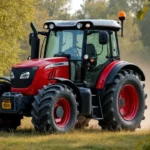
You’re standing in the middle of a farm in Port Harcourt, the sun beating down, the soil rich but untouched. You’ve got land. You’ve got ambition. But without the right tools, that land is just dirt—and your ambition? It’s stuck in neutral. You need a tractor. A plow. Maybe a harvester. But where the hell do you even start looking in Port Harcourt?
Here’s the truth: Buying agricultural equipment in Nigeria isn’t just about walking into a store and picking something off the shelf. Prices fluctuate like the naira. Sellers vanish faster than a Jollof rice stall at 3 PM. And if you’re not careful, you’ll end up with a “brand new” used tractor that’s held together by duct tape and prayers.
This isn’t a guide. It’s a roadmap. By the time you finish reading, you’ll know exactly where to buy agricultural equipment in Port Harcourt—whether you’re hunting for a used tractor that won’t break the bank, a manufacturer who won’t ghost you after delivery, or a farm equipment company that actually stocks what they claim. No fluff. No wasted time. Just the straight facts so you can get back to growing your business.
Where to Buy Agricultural Equipment in Port Harcourt: The 3 Best Options (Ranked by Reliability)
Port Harcourt isn’t Lagos. You can’t just hop into a commercial bus and find a mall selling tractors. The market is fragmented, prices are all over the place, and half the sellers you’ll meet won’t answer their phones after you pay. So let’s cut through the noise.
You’ve got three real options:
- Local Dealers & Hardware Stores – The quick-and-dirty solution. Good for small tools, bad for anything heavy or expensive.
- Online Marketplaces (Jiji, Nairaland, Facebook Groups) – Cheap? Sometimes. A scam? Often. You’ll need to vet sellers like your life depends on it (because your farm might).
- Direct from Manufacturers or Authorized Distributors – The gold standard. Pricier upfront, but you get warranties, spare parts, and a seller who won’t disappear after delivery.
We’ll break down each option. But first—let’s talk about what you’re actually buying.
What’s the Difference Between “New” and “Used” Agricultural Equipment in Nigeria?
You’re not just buying a tool. You’re buying a gamble. Here’s what you need to know:
| Factor | New Equipment | Used Equipment |
|---|---|---|
| Price | ₦5M–₦20M+ (e.g., a new used tractor from China starts at ₦6M, but a local brand like Farmtec will cost ₦12M+). | ₦1M–₦8M (a 10-year-old Mahindra tractor? ₦3.5M. A “refurbished” one? Maybe ₦2.5M—if it runs). |
| Warranty | 1–2 years (if bought from a manufacturer or authorized dealer). | None. Or a verbal “I’ll fix it if it breaks” that you’ll never see again. |
| Spare Parts Availability | Easy. Walk into any farm equipment company in Port Harcourt, and they’ll have belts, filters, or engine parts in stock. | Good luck. You’ll spend more time hunting for a used tractor’s fuel pump than actually farming. |
| Resale Value | Holds value better. A 5-year-old new tractor? Still worth 60–70% of its original price. | Drops like a rock. That ₦3.5M “steal”? In 2 years, it’s worth ₦1.5M—if anyone even wants it. |
Bottom line: If you’re running a small farm and need a hand tractor or a plow, used might work. But if you’re serious—if this is your livelihood—new is the only way to go. The cost of downtime? That’s where you lose real money.
Option 1: Local Dealers & Hardware Stores in Port Harcourt (Fast, But Risky)
You want something today? You want to see the equipment before you buy? Then you’re looking at local dealers. These are the guys with shops along Aba Road, Wami Junction, or near the Port Harcourt market. They’ve got tractors, plows, sprayers—sometimes even combine harvesters if you’re lucky.
But here’s the catch: 90% of them are middlemen. They don’t manufacture anything. They don’t even own the equipment half the time. They’re just reselling what some importer or manufacturer dumped on them.
Where to Find Them (And What to Watch Out For)
Here are the hotspots in Port Harcourt where you’ll find agricultural equipment:
- Aba Road – The main strip. You’ll see signs for “Farm Machinery” every 50 meters. Some are legit. Most are not.
- Wami Junction – A mix of hardware stores and “agricultural suppliers.” Prices are higher here, but you might find better-quality used equipment.
- Waterlines (near the market) – Cheap? Yes. Reliable? Not a chance. You’ll find “brand new” tractors that look like they’ve been through a war.
- Trans-Amadi – A few serious players here, but you’ll have to dig. Ask around for “GZ Industrial Supplies” or “CPH Hardware.”
Pro Tip: If a dealer won’t let you test-drive the tractor, walk away. If they can’t show you the engine number or service records, walk away. And if they pressure you to pay 50% upfront? Run.
Example Prices (Port Harcourt, July 2026):
- A small hand tractor (e.g., Yamaha or Kubota): ₦1.2M–₦2.5M (new). Used? ₦800K–₦1.5M (if it’s not a scam).
- A 4-wheel tractor (e.g., Mahindra or Farmtec): ₦6M–₦12M (new). Used? ₦3M–₦6M (but good luck finding one that doesn’t need a new engine).
- A plow or harrow: ₦200K–₦500K (new). Used? ₦100K–₦300K (if the blades aren’t bent to hell).
Red Flags in Local Dealers:
- They won’t give you a receipt. (How will you prove you bought it if it breaks?)
- They “forgot” to include spare parts in the price. (Suddenly, that ₦3M tractor needs a ₦500K fuel filter.)
- They can’t explain why the price is so low. (If it sounds too good to be true, it’s stolen or dead on arrival.)
Who Should Buy from Local Dealers?
Only you if:
- You need equipment yesterday and can’t wait for shipping.
- You’re buying something small (e.g., a brushcutter or seed drill) and can afford to replace it in a year.
- You’ve got a mechanic on speed dial who can fix anything.
Otherwise? Skip to Option 3. Your time is worth more than a gamble.
Option 2: Online Marketplaces (Cheap, But a Minefield)
You’ve seen the ads. “Brand new tractor for sale! Only ₦2M! DM me!” Yeah, right. Buying agricultural equipment online in Nigeria is like playing Russian roulette—except the bullet is your money.
But here’s the thing: it works. Sometimes. If you know what you’re doing. If you’re willing to put in the legwork. And if you’re okay with the fact that 30% of listings are either scams or outright lies.
Where to Look (And How to Avoid Getting Scammed)
These are the big platforms where farmers in Port Harcourt buy equipment:
- Jiji.ng – The most active, but also the most scams. You’ll see listings like “Used Tractor – ₦1.5M – Port Harcourt” with zero photos or details.
- Nairaland (Farm & Agriculture Section) – Some legit deals, but also a lot of “I’m selling my late father’s tractor” sob stories.
- Facebook Groups (e.g., “Nigeria Farming Equipment Marketplace,” “Port Harcourt Agricultural Supplies”) – Better than Jiji, but still risky. At least you can message the seller directly.
- Whastapp Business Catalogs – Some dealers post here, but 90% of them won’t respond after you pay.
How to Spot a Scam (Before You Send Money):
- No photos of the engine or serial number. If they won’t show you the VIN or engine number, they’re hiding something.
- “Price too good to be true.” A used tractor for ₦800K? In Port Harcourt? That’s either stolen or it’s held together by zip ties.
- They won’t meet in person. If they insist on “shipping” the equipment to you, it’s a scam. No questions asked.
- They ask for full payment upfront. Even for “verified” sellers on Jiji, you should never pay more than 30% before seeing the equipment.
What to Do If You Find a Legit Deal:
- Inspect the equipment in person. No exceptions. If the seller won’t let you see it, walk away.
- Test it. Drive the tractor. Plug in the sprayer. Make sure it actually works.
- Get a receipt. A handwritten note on a napkin doesn’t count. Demand a proper invoice with the seller’s details.
- Pay via bank transfer (not cash or mobile money). At least you’ve got a paper trail if something goes wrong.
- Take it for a test run. Don’t just buy it and hope for the best. If it breaks down after 2 weeks, you’re screwed.
Example of a Real Online Deal (Port Harcourt, July 2026):
- Listing: “2018 Mahindra 255 DI Tractor – ₦4.5M – Port Harcourt”
- Photos: 12 clear images, including engine, serial number, and current condition.
- Seller: Verified on Jiji with 4.7/5 stars and 20+ sales.
- Your Move: You meet at the seller’s compound in Trans-Amadi. You test-drive the tractor. It runs fine, but the seller admits the clutch needs replacing (₦150K extra). You negotiate to ₦4.2M, pay 30% upfront, and take delivery in 3 days.
Who Should Buy Online?
- You’re on a tight budget and can’t afford new equipment.
- You’ve got time to vet sellers and inspect the equipment.
- You’re buying something small (e.g., a brushcutter, seed drill, or irrigation pump).
Who Should Avoid Online Purchases?
- You need a tractor or heavy machinery and can’t afford downtime.
- You’re in a hurry and can’t wait 2–4 weeks for shipping/delivery.
- You don’t have a mechanic or backup plan if the equipment fails.
The Biggest Mistake Farmers Make When Buying Online
They don’t negotiate. Sellers on Jiji or Facebook expect you to lowball. If the asking price is ₦5M, start at ₦3.5M. They’ll counter at ₦4.2M. You meet at ₦3.8M. That’s how it works.
Pro Tip: If the seller won’t budge on price, walk away. There’s always another deal.
Option 3: Direct from Manufacturers or Authorized Distributors (The Smart Play)
You want reliability? You want warranties? You want equipment that won’t break down after 3 months? Then you’re buying direct from the source.
Here’s the hard truth: 90% of farmers in Nigeria buy used or second-hand equipment. Why? Because new is expensive. But here’s what they don’t realize: the cost of downtime is higher than the upfront price.
If your tractor breaks, you’re not farming. If you’re not farming, you’re not making money. And if you’re not making money, that “cheap” used tractor just cost you thousands in lost revenue.
Who Are the Big Players in Nigeria?
If you’re serious about agricultural equipment, these are the names you need to know:
- Farmtec Nigeria – Local manufacturer. Makes tractors, plows, and harvesters. Prices start at ₦8M for a basic model.
- Mahindra Nigeria – Indian brand, huge in West Africa. Their 255 DI tractor starts at ₦10M new.
- Yamaha Nigeria – Known for small, reliable hand tractors. A new Yamaha GT1000 costs ₦2.5M–₦3.5M.
- Kubota Nigeria – Japanese quality, but prices are steep. A new Kubota L3408? ₦12M+.
- Local Assemblers (e.g., ZT Tractors, Chongqing) – Chinese brands assembled in Nigeria. Cheaper than Mahindra/Yamaha, but parts can be hard to find.
Where to Find Them in Port Harcourt:
- Farmtec Nigeria – Showroom in Trans-Amadi. Contact: +234 803 307 8277.
- Mahindra Nigeria – Distributor in Aba Road. Contact: +234 708 000 8951.
- Yamaha Nigeria – Dealers in Wami Junction. Contact: +234 904 968 7760.
- ZT Tractors (Chongqing) – Sold through local agents in Port Harcourt. Ask around at agricultural shows.
Why Buy Direct from Manufacturers?
- Warranty. 1–2 years on parts and labor. If your tractor breaks, they fix it—no questions asked.
- Spare parts. Need a new fuel pump? They’ve got it in stock. Buying used? You’ll be hunting for parts for months.
- Financing options. Some dealers offer installment plans (e.g., 12 months at 2% interest).
- Training. Yes, some manufacturers (like Farmtec) will train you or your workers on how to use the equipment.
- Resale value. A new tractor holds its value. A used one? It’s scrap metal after 5 years.
What’s the Catch?
- Higher upfront cost. A new tractor is 2–3x the price of a used one. But like I said—downtime costs more.
- Longer wait times. If they don’t have it in stock, you’re looking at 4–8 weeks for shipping from China/India.
- Less “flexibility” on price. Dealers won’t negotiate as much as a used seller. But neither will they screw you over.
How to Get the Best Deal from a Manufacturer
You’re not just buying a tractor. You’re buying a relationship. Here’s how to make it work for you:
- Compare at least 3 dealers. Don’t just walk into the first showroom you see. Call around, ask for quotes, and compare.
- Ask about financing. Some dealers work with banks to offer loans. If you’ve got collateral (land, another asset), you might get a better rate.
- Negotiate on bulk orders. Buying 2 tractors? Ask for a 10% discount. Buying 5? You might get spare parts thrown in for free.
- Check for government subsidies. The Nigerian government (through programs like the Anchor Borrowers’ Programme) sometimes offers discounts or low-interest loans for agricultural equipment. Ask your local agricultural office.
- Buy during off-seasons. December–February is slow for farming. Dealers are more likely to discount equipment to clear stock.
Example Deal (Port Harcourt, July 2026):
- Equipment: Mahindra 255 DI Tractor (new).
- List Price: ₦10.5M.
- Your Negotiation: You tell the dealer you’re buying 2 tractors (even if you’re not). You ask for a 15% discount (₦1.5M off) and throw in a free service contract for the first year.
- Final Price: ₦8.5M (plus ₦200K for delivery and setup).
- Financing: You put down 30% (₦2.55M) and pay the rest in 12 monthly installments of ₦500K.
Who Should Buy Direct from Manufacturers?
- You’re running a serious farm (5+ hectares) and need reliable equipment.
- You can afford the upfront cost (or qualify for financing).
- You want warranties, spare parts, and long-term support.
- You’re not in a rush—you can wait 4–8 weeks for delivery.
What If You Can’t Afford a New Tractor?
Here’s the thing: you don’t always need a brand-new tractor to run a profitable farm. If you’re just starting out, consider these alternatives:
- Leasing. Some dealers (like Farmtec) offer lease-to-own programs. You pay a monthly fee, and after 2–3 years, the tractor is yours.
- Cooperative buying. Pool money with other farmers to buy a tractor together. You share the cost and the usage.
- Government/NGO programs. Organizations like the Central Bank of Nigeria (CBN) or World Bank-funded projects sometimes provide subsidized equipment to smallholder farmers.
- Start small. Buy a hand tractor or power tiller (₦500K–₦1.5M) to test the waters before investing in a full-sized tractor.
Pro Tip: If you’re leasing or buying used, get a pre-purchase inspection. Hire a mechanic to check the equipment before you buy. It’ll cost you ₦20K–₦50K, but it could save you ₦500K in repairs.
So here’s the deal: You’ve got three options in Port Harcourt.
1. Local dealers – Fast, but risky. Good for small tools or if you’re in a hurry. Bad if you need something that actually works.
2. Online marketplaces – Cheap, but a minefield. You’ll find gems, but you’ll also waste time on scams. Only do this if you’ve got time to vet sellers.
3. Direct from manufacturers – The smart play. More expensive upfront, but you get reliability, warranties, and spare parts. If you’re serious about farming, this is the only way to go.
Your next move?**
If you’re just starting out and need a hand tractor or plow, hit up the local dealers on Aba Road or Wami Junction. But set a budget, inspect everything, and don’t pay upfront.
If you’re ready to scale and need a real tractor, call Farmtec or Mahindra’s Port Harcourt distributors. Get quotes. Negotiate. And if you can swing it, buy new. The cost of downtime will eat you alive.
And if you’re somewhere in between? Start small. Lease. Co-op with other farmers. But don’t let the fear of upfront cost stop you from growing. The most successful farmers in Nigeria aren’t the ones who got the cheapest deal—they’re the ones who got the smartest deal.
Now go get that equipment. And get back to farming.
What are the top 5 agricultural products in Nigeria?
The top agricultural products in Nigeria include cassava, maize, rice, yams, and groundnuts. These crops are staples in many Nigerian diets and are also vital for the economy. They provide food, income, and employment for millions of farmers across the country.
How much is a small hand tractor in Nigeria?
A small hand tractor in Nigeria typically costs between 500,000 to 1,500,000 Naira. The price can vary based on brand and condition. If you’re looking for a used tractor, you might find better deals online or at local farm equipment stores.
Where do farmers get their equipment?
Farmers in Nigeria often buy equipment from local farm equipment stores, online marketplaces like Jiji, or directly from manufacturers. In Port Harcourt, places like ST. PETER’S AGRO LTD and Joefus Farms Limited are popular spots to find agricultural machinery.
Which agricultural business is most profitable in Nigeria?
Poultry farming is considered one of the most profitable agricultural businesses in Nigeria. With a high demand for chicken and eggs, it offers quick returns. Other lucrative areas include fish farming and vegetable production, especially in urban areas like Port Harcourt.
Where can I buy agricultural equipment online in Port Harcourt?
You can buy agricultural equipment online in Port Harcourt through platforms like Jiji and other local e-commerce sites. They offer a variety of new and used farming tools, making it easy to compare prices and find what you need from the comfort of your home.
Are there used farming equipment for sale in Port Harcourt?
Yes, there are plenty of used farming equipment for sale in Port Harcourt. Websites like Jiji have listings for second-hand tractors and other farming tools. You can also check local classifieds and farm equipment stores for better deals.
What farming tools are available for sale in Port Harcourt?
In Port Harcourt, you can find various farming tools for sale, including plows, hoes, and hand tractors. Local suppliers like CORE URBAN FARM & FOODS and Gz Industrial Supplies offer a range of agricultural machinery and tools to meet your farming needs.