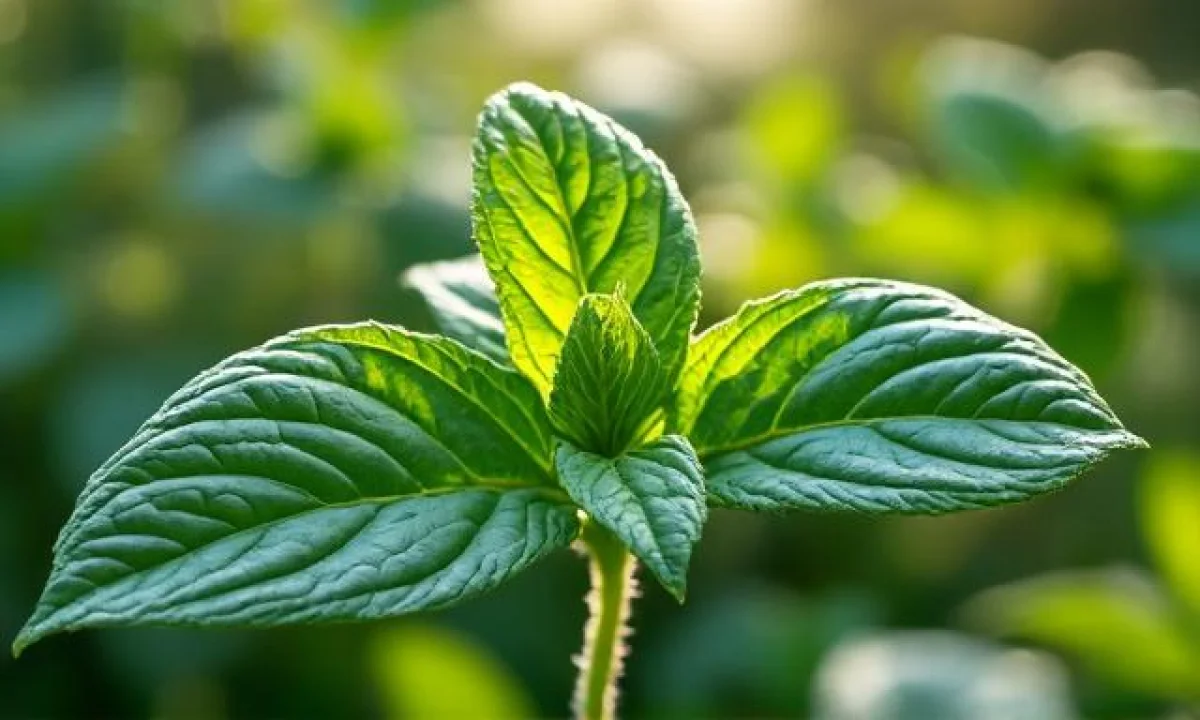
Picture this: it’s a lazy Sunday afternoon in your back garden in Birmingham, Manchester, or even a tiny balcony in London. The sun’s just warm enough to make you want to kick back with a cold pint—or maybe a fresh, homemade pesto. But here’s the kicker: that pesto? It’s about to taste 10x better because you grew the basil yourself. No supermarket plastic. No weird aftertaste. Just bold, aromatic, homegrown basil that’ll make your neighbours green with envy.
But here’s the thing—basil’s a diva. It doesn’t play nice with cold snaps, soggy soil, or half-arsed care. Get it wrong, and you’ll end up with a sad, leggy plant that bolts to seed faster than you can say “bloody hell”. Get it right? You’ll have a thriving basil patch that keeps you in fresh leaves from June straight through to October—maybe even longer if you’re clever about it.
This isn’t some fluffy gardening magazine advice. This is the no-BS, UK-specific guide to growing basil outdoors like a pro. No jargon. No “trust me, it works” nonsense. Just proven steps that’ll turn your garden—or even a few pots—into a basil factory. By the end of this, you’ll know:
- Exactly when to plant (and why waiting until “summer” is a rookie mistake).
- Where to put it so it gets the right sun (without frying or freezing).
- How to keep it happy—soil, water, food, the lot—so it doesn’t bolt or rot.
- When to harvest (and how to prune it like a boss so it keeps growing).
- How to stretch the season so you’re not left high and dry by September.
So grab a cuppa, put the kettle on, and let’s get stuck in. Your future pesto starts right here.
When to Plant Basil Outdoors in the UK (And Why Timing Is Everything)
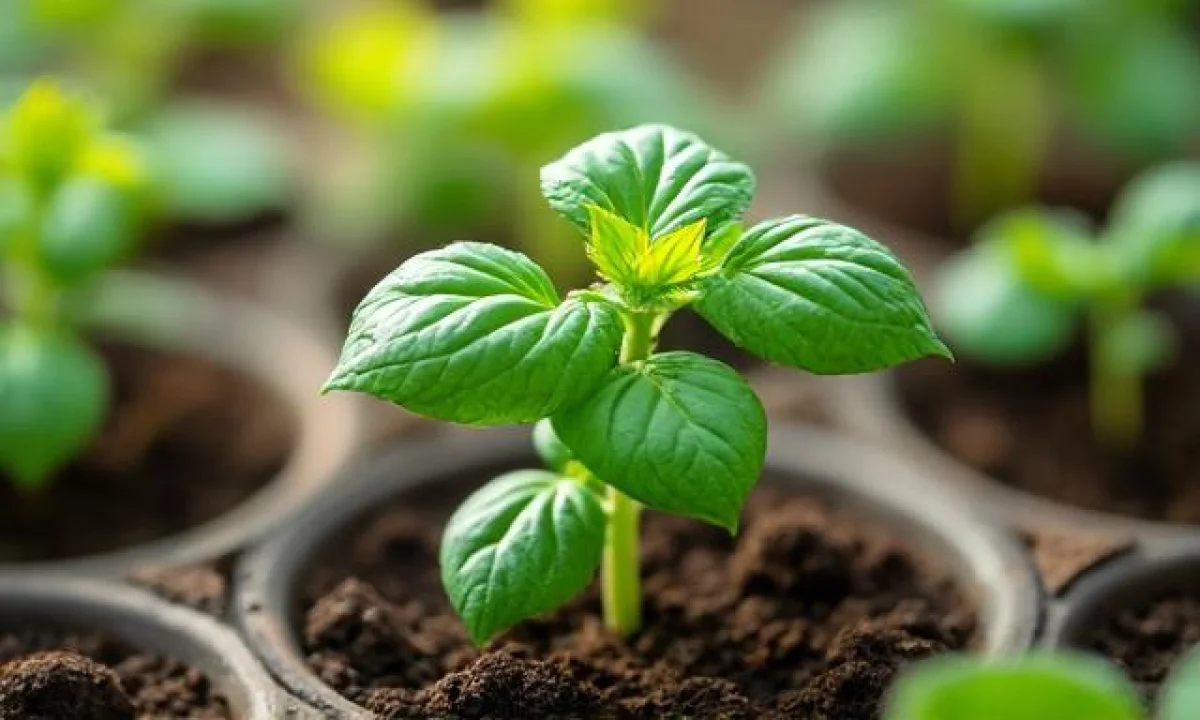
Basil hates cold. I’m not talking “brrr, it’s a bit chilly” hate—I’m talking “one night below 10°C and it’s throwing in the towel” hate. So if you plant it too early, you’ll end up with a sad, stunted mess that bolts to seed faster than you can say “I should’ve waited”.
Here’s the hard truth for the UK:
- Wait until after the last frost. In most of the UK (London, Birmingham, Manchester), that’s mid-to-late May. Up north (Edinburgh, Newcastle) or in higher elevations? Early June is safer.
- Soil temp matters more than air temp. Basil seeds won’t germinate if the soil’s colder than 15°C (59°F). Stick your finger in the dirt—if it feels cold, wait.
- Start seeds indoors first (if you’re impatient). Sow seeds 6-8 weeks before your last frost date (so mid-March to early April for most of the UK). Harden them off in late May, then transplant outdoors.
Pro tip: If you’re in a cooler climate (like the Scottish Highlands or North Wales), consider growing basil in containers and moving them indoors or into a greenhouse when temps drop. Basil’s a tender annual, and it’s not sticking around for winter.
Mistake to avoid: Planting basil in heavy, waterlogged soil. Basil rots in soggy conditions. If your garden’s clay-heavy (common in parts of the West Midlands or Yorkshire), raise beds or use containers with well-draining compost. More on that in the next section.
Best Months to Plant Basil in the UK (By Region)
| Region | Last Frost Date (Avg.) | Ideal Planting Window | Notes |
|---|---|---|---|
| London & Southeast England | Mid-May | Late May – Early June | Warmer microclimates (urban areas) can handle early June planting. |
| Birmingham, Midlands | Early June | Early – Mid June | Clay soil? Amend with compost or grow in containers. |
| Manchester, Northwest England | Late May | Late May – Early June | Cooler nights—consider a cloche for young plants. |
| Edinburgh, Scotland | Early June | Early – Mid June | Short season—start indoors or use a greenhouse. |
| Bristol, Southwest England | Mid-May | Late May – Early June | Milder climate—can sometimes handle early June planting. |
Key takeaway: Don’t rush it. Basil will not forgive you for planting too early. Wait, be patient, and you’ll be rewarded with lush, flavour-packed leaves by July.
Where to Grow Basil Outdoors (Sun, Soil, and Smart Placement)
Basil’s not fussy, but it’s not a shade-loving wallflower either. Get its sun and soil wrong, and it’ll either burn up, rot, or bolt to seed before you’ve had a chance to enjoy it. Here’s how to pick the perfect spot in your UK garden.
Sunlight: How Much Does Basil Really Need?
You’ve probably read that basil needs “6-8 hours of sun”. That’s bollocks—at least, not the whole story. Here’s the real deal:
- Full sun (6+ hours) = Best flavour, but risk of bolting. If you’re in southern England (London, Bristol) where summers are hotter, morning sun + afternoon shade (e.g., under a tomato plant or bean trellis) keeps it happy without stressing it out.
- Partial sun (4-6 hours) = Safer for cooler UK climates. In Manchester, Edinburgh, or the North, basil thrives in dappled shade—think east-facing beds or spots with light afternoon shade. Too much midday sun in cooler areas = stressed plant.
- Avoid deep shade. If your basil’s stretched and leggy, it’s not getting enough light. Move it or prune nearby plants blocking the sun.
Pro move: If you’re growing basil in containers, rotate the pots weekly so all sides get even sun. Basil hates being lopsided.
Soil: The Secret to Juicy, Flavourful Basil (Not Sad, Bitter Leaves)
Basil’s not fussy about soil pH (it tolerates 6.0-7.0), but it will punish you if the soil’s waterlogged, compacted, or nutrient-poor. Here’s what it needs to thrive:
- Well-draining soil = Non-negotiable. Basil rots in soggy roots. If your garden’s clay-heavy (common in the Midlands or Yorkshire), raise beds or grow in containers with 50% compost, 30% multi-purpose soil, 20% perlite/sand.
- Rich in organic matter. Mix in well-rotted manure, compost, or worm castings before planting. Basil’s a heavy feeder—it’ll reward you with bigger, tastier leaves.
- Moist but not soggy. Basil likes consistent moisture, but not waterlogged roots. Top tip: Mulch with straw or grass clippings to keep soil moist and cool.
- Avoid fresh manure. It’ll burn the roots. Stick to composted organic matter only.
Soil test hack: Stick your finger 2 inches into the soil. If it’s dry at the surface but damp below, you’re golden. If it’s wet all the way down, you’ve got a problem.
Where NOT to plant basil:
- Next to strong-smelling herbs like rosemary or sage. Basil’s flavour gets muddied when planted too close to mint or oregano (they’re invasive and will take over).
- In windy, exposed spots. Basil’s stems are brittle—it’ll flop or break in strong winds. Use a windbreak (like a tall plant or trellis) if your garden’s exposed.
- In containers without drainage holes. Basil will drown. If you’re using pots, drill holes or elevate the pot on feet.
Smart Placement: Companion Planting for Basil (What Works, What Doesn’t)
Basil’s a team player, but it’s picky about its friends. Plant it next to the right neighbours, and it’ll thrive. Plant it next to the wrong ones, and it’ll struggle or bolt. Here’s the UK-friendly companion guide:
| Good Neighbours | Why? | Bad Neighbours | Why Not? |
|---|---|---|---|
| Tomatoes | Basil repels pests (like whiteflies) and improves tomato flavour. Classic Italian combo—grow them together in pots or beds. | Brussels sprouts | They stunt basil’s growth—avoid planting near brassicas. |
| Peppers | Basil enhances pepper flavour and deters aphids. Great for chilli lovers in the UK. | Rue (herb) | It inhibits basil’s growth—keep them far apart. |
| Lettuce & Spinach | Basil shades the soil, keeping lettuce crisp and slow-bolting. Win-win. | Fennel | It inhibits basil’s growth—fennel’s allelopathic (releases chemicals that stunt other plants). |
| Oregano & Thyme | They share similar growing conditions and repel common pests. | Mint | Mint spreads aggressively and chokes basil. Never plant them together. |
Best basil companions for UK gardens:
- Tomatoes + Basil = Non-negotiable. If you grow tomatoes, plant basil nearby. It’ll boost flavour and keep pests away.
- Peppers + Basil = Spicy harmony. Great for chilli lovers in the UK (yes, we grow them here too!).
- Lettuce under basil = Shade + flavour. Basil’s leaves provide dappled shade, keeping lettuce fresh longer.
Avoid these combos like the plague:
- Basil + Mint = Disaster. Mint takes over and smothers basil.
- Basil + Fennel = Growth killer. Fennel releases chemicals that stunt basil.
- Basil + Rue = Bad vibes. Rue inhibits basil’s growth—keep them separate.
How to Plant Basil Outdoors (Step-by-Step, No Fluff)
You’ve picked your spot. You’ve checked the sun, soil, and companions. Now it’s time to get your hands dirty and plant basil properly. Skip steps, and you’ll end up with a sad, leggy plant that bolts before you’ve had a chance to enjoy it.
Option 1: Direct Sowing (For the Impatient or Brave)
If you’re not starting seeds indoors, you can sow basil directly outdoors—but only if:
- Soil temp is at least 15°C (59°F) (use a soil thermometer or stick your finger in—it should feel warm, not cold).
- Last frost has passed by at least 2 weeks.
- You’re in a mild UK region (London, Bristol, Southeast England).
How to do it:
- Prepare the soil. Loosen the top 5-10cm of soil and mix in compost or well-rotted manure. Basil hates compacted soil.
- Sow seeds ¼ inch deep. Press them lightly into the soil—they need light to germinate, so don’t bury them.
- Space seeds 10-12 inches apart. Basil needs room to grow—crowding = leggy, weak plants.
- Water gently. Use a fine spray (like a watering can with a rose attachment) to avoid washing seeds away. Keep soil moist but not soggy.
- Cover with a cloche or fleece (if nights are still cool). Basil hates cold snaps—protect young seedlings with a clear plastic cloche or horticultural fleece until they’re 2-3 inches tall.
- Thin seedlings. When plants are 2 inches tall, snip (don’t pull) the weakest ones at soil level, leaving the strongest 10-12 inches apart.
Germination time: 7-14 days (if soil is warm enough). If it’s taking longer, cover with fleece to keep soil warm.
Option 2: Transplanting Seedlings (Best for Most UK Gardeners)
If you started seeds indoors (or bought seedlings), transplanting is the safer bet—especially in cooler UK climates. Here’s how to do it without killing your plants:
- Hardened off your seedlings. 1 week before transplanting, start acclimating your basil to outdoor conditions:
- Day 1-3: 1-2 hours in shade (e.g., a sheltered balcony or under a tree).
- Day 4-6: 3-4 hours in morning sun, then move to shade by midday.
- Day 7: Full day outdoors, but protect from strong wind/sun if needed.
- Choose the right time to transplant.
- Overcast day or late afternoon. Basil hates transplant shock—planting on a hot, sunny day = stressed plants.
- After a light rain or water the bed first. Moist soil = easier root establishment.
- Dig holes twice as wide as the root ball. Basil hates being root-bound—give it room to spread.
- Transplant deeply. Bury the stem up to the first set of leaves—this encourages stronger roots.
- Space plants 12-18 inches apart. Basil needs air circulation to prevent fungal diseases (like downy mildew, common in damp UK summers).
- Water immediately after planting. Give each plant a deep drink (about 500ml per plant) to settle the soil.
- Mulch with straw or grass clippings. This keeps soil moist and prevents weeds from stealing nutrients.
Transplant shock recovery: Basil takes 1-2 weeks to bounce back. If leaves wilt slightly, don’t panic—keep soil moist and avoid direct sun for a few days.
Container Growing: Basil in Pots (Perfect for UK Balconies & Small Gardens)
If you don’t have a garden (or your soil’s rubbish), containers are the way to go. Basil thrives in pots—as long as you get the basics right. Here’s how:
- Pot size: Minimum 12 inches deep and wide per plant. Bigger is better—basil hates being root-bound.
- Drainage holes: Non-negotiable. Basil rots in soggy roots. If your pot doesn’t have holes, drill them or elevate the pot on feet.
- Soil mix: 50% multi-purpose compost, 30% well-rotted manure or worm castings, 20% perlite or sand (for drainage).
- Fertiliser: Mix in a slow-release organic fertiliser (like blood, fish, and bone) at planting. Basil’s a heavy feeder.
- Watering: Containers dry out fast. Water when the top 1 inch of soil is dry—never let it dry out completely.
- Location: South-facing balcony or patio (for max sun). If it’s windy, move pots to a sheltered spot—basil stems snap easily.
Best containers for basil:
- Terracotta pots (breathable, good for drainage).
- Fabric grow bags (great for air pruning roots).
- Window boxes (if you’ve got a sunny windowsill).
- Hanging baskets (if you’ve got limited space—just water more frequently).
Pro tip: If you’re growing multiple basil plants in one pot, space them 12 inches apart and use a larger container (18+ inches wide).
How to Care for Basil Outdoors (Water, Feed, Prune—Like a Pro)
You’ve planted your basil. Now don’t screw it up by neglecting the basics. Basil’s not high-maintenance, but it will punish you if you ignore it. Here’s how to keep it happy so it keeps producing all season.
Watering Basil: The Goldilocks Rule (Not Too Much, Not Too Little)
Basil hates wet feet but also hates drought. Get it wrong, and you’ll end up with bitter, bolted, or rotting plants. Here’s the sweet spot:
- Water deeply 2-3 times a week. 1-1.5 litres per plant (more in hot, dry spells).
- Water at the base. Avoid wetting leaves—this encourages fungal diseases (like downy mildew, common in UK’s damp summers).
- Check soil moisture. Stick your finger 1 inch into the soil. If it’s dry, water. If it’s still moist, wait.
- Morning watering = Best. Watering in the evening = leaves stay wet overnight = fungus party.
- Containers need more water. Pots dry out faster—check daily in hot weather.
Signs you’re watering wrong:
- Yellowing leaves? Overwatering (or poor drainage).
- Wilting in the heat? Underwatering (or root-bound).
- Black, mushy stems? Fungal disease (from wet leaves or soggy soil).
UK-specific watering hack: If you’re in a cooler, wetter region (like Scotland or the North), water less frequently—basil rots in soggy soil. In southern England (where summers are hotter and drier), water every other day in peak sun.
Feeding Basil: Why Your Soil’s Not Enough (And What to Do About It)
Basil’s a heavy feeder. If you don’t feed it, it’ll bolt to seed early or produce weak, bland leaves. Here’s how to keep it pumped with nutrients without burning the roots:
- At planting: Mix in compost or well-rotted manure. This gives a slow-release nutrient boost.
- Every 3-4 weeks: Feed with a liquid organic fertiliser.
- Seaweed extract (boosts growth and disease resistance).
- Compost tea (gentle, improves soil health).
- Diluted fish emulsion (high in nitrogen for leafy growth).
- Avoid high-nitrogen fertilisers (like fresh manure). They burn roots and make leaves bitter.
- Side-dress with compost mid-season. In July, scratch a handful of compost into the soil around each plant for a nutrient boost.
- Stop feeding by late August. Basil needs to harden off for winter (or for seed saving). Too much food = soft, bolt-prone plants.
Signs your basil needs food:
- Pale, yellowing leaves (nitrogen deficiency).
- Slow growth or small leaves (lack of nutrients).
- Bitter taste (stress from poor soil or over-fertilising).
UK-specific feeding tip: If you’re in a cooler climate, feed less frequently (every 5-6 weeks)—basil grows slower in cooler summers.
Pruning Basil: The Secret to Bushy, Flavourful Plants (Not Leggy Monsters)
If you don’t prune basil, it’ll grow tall, leggy, and bitter—then bolt to seed before you’ve had a chance to enjoy it. Pruning sounds scary, but it’s easy once you know how. Here’s the no-BS guide:
- When to prune: Start pruning when plants are 6 inches tall.
- Pinch off the top set of leaves (just above a pair of lower leaves).
- This encourages bushier growth (instead of a tall, weak stem).
- How to prune: Always pinch or cut just above a leaf pair.
- Use clean scissors or fingernails (no tearing!).
- Never remove more than ⅓ of the plant at once—this stresses it out.
- How often to prune: Every 2-3 weeks (or when it looks leggy).
- If you’re harvesting regularly, you don’t need to prune as much—harvesting stimulates growth.
- If you’re not harvesting, prune every 3 weeks to keep it bushy.
- What to do with pruned cuttings?
- Use them in cooking (pesto, salads, garnish).
- Propagate in water (see next section).
- Compost the woody stems (if they’re too old to use).
Pruning mistakes to avoid:
- Cutting into old wood. Basil won’t regrow from woody stems—always cut above a leaf pair.
- Removing too much at once. Never prune more than ⅓ of the plant—this shocks it.
- Waiting until it’s leggy. If your basil’s tall and sparse, it’s too late—it’ll bolt soon. Prune early and often.
Pro tip: If your basil starts flowering, pinch off the flower buds immediately. Once it bolts to seed, the leaves turn bitter and production slows. Keep it leafy, not flowery.
Harvesting Basil: When, How, and How Much to Pick (Without Killing the Plant)
You’ve grown basil. Now don’t ruin it by harvesting like a maniac. Pick wrong, and you’ll stunt growth or kill the plant. Pick right, and you’ll have fresh basil all season. Here’s how to harvest like a pro:
When to Harvest Basil (Timing Is Everything)
You can’t harvest basil too early—but you can harvest it too late. Here’s the sweet spot:
- First harvest: When plants are 6-8 inches tall.
- This is when they’ve developed enough leaves to handle pruning.
- Pinch off the top set of leaves (just above a pair of lower leaves).
- Regular harvesting: Every 2-3 weeks (or when it looks leggy).
- Never remove more than ⅓ of the plant at once—this stresses it.
- Harvest in the morning (after dew has dried). Leaves are fresher and more flavourful.
- Stop harvesting by late August (for UK gardens).
- Basil slows down in cooler weather—let it harden off for winter (or for seed saving).
- If you keep harvesting late, the plant weakens and bolts.
Signs it’s time to harvest:
- Plant is 6+ inches tall.
- Stems look leggy or sparse.
- Lower leaves are yellowing (time to trim and rejuvenate).
How to Harvest Basil (Without Ruining the Plant)
You don’t just grab and yank. That’s how you kill basil. Here’s the right way to harvest:
- Use clean scissors or fingers. Never tear leaves—this damages the plant.
- Always cut above a leaf pair.
- Look for a set of healthy leaves further down the stem.
- Snip just above them—this encourages bushier growth.
- Never harvest more than ⅓ of the plant at once.
- If you take too much, the plant can’t recover and bolts to seed.
- Better to harvest small amounts often than one big chop.
- Harvest outer leaves first.
- This lets the inner leaves keep growing.
- Avoid harvesting from the very centre—this stunts regrowth.
- Wash leaves carefully (if needed).
- Basil
- If dirty, rinse quickly under cold water and pat dry immediately.
- Never soak leaves—this reduces flavour and causes rot.
How much basil can you harvest?
- One healthy plant can produce enough leaves for 2-3 people per harvest.
- 3-4 plants = enough for a family of 4 all summer.
- 10+ plants = enough to freeze, dry, and share with friends.
What to Do With Your Basil Harvest (Beyond Pesto)
You’ve got a basket of fresh basil. Now don’t waste it. Here’s how to use it all (and preserve the rest for winter):
- Fresh uses (best flavour!)
- Classic pesto (mix with garlic, pine nuts, Parmesan, and olive oil).
- Caprese salad (layer with tomatoes and mozzarella).
- Garnish for soups, pasta, or grilled meats.
- Basil-infused oil (steep leaves in olive oil for dressings and cooking).
- Basil butter (mix chopped basil with softened butter—great on corn or bread).
- Preserving basil for later
- Freeze in ice cube trays (chop leaves, cover with olive oil or water, freeze, then transfer to a bag).
- Dry for winter use (hang small bunches upside down in a dark, airy place for 2-3 weeks).
- Make basil salt (layer dried basil with sea salt in a jar).
- Preserve in vinegar (steep leaves in white wine vinegar for 2 weeks, then strain).
- Share the wealth
- Give bunches to neighbours (they’ll love you).
- Sell at a local market (if you’ve got extra).
- Trade for other herbs (e.g., rosemary or thyme from a fellow gardener).
UK-specific preserving tip: If you’re in a cooler climate, drying basil works better than freezing—flavour lasts longer without freezer burn.
Common Basil Problems in the UK (And How to Fix Them)
Basil’s not invincible. In the UK, it faces a unique set of problems—from cold snaps to fungal diseases. Here’s how to spot, fix, and prevent the most annoying issues:
1. Basil Bolting to Seed (The #1 Frustration)
Your basil suddenly shoots up a tall flower stalk? Congrats, it’s bolting—and the leaves are now bitter and small. Here’s why it happens and how to stop it:
- Why it happens:
- Stress from heat or drought. (UK summers aren’t scorching, but dry spells still happen.)
- Over-fertilising (especially with nitrogen).
- Planting too early (cold shock).
- Not pruning enough.
- How to prevent it:
- Plant at the right time (see Section 1 for UK-specific dates).
- Keep soil consistently moist (not soggy!).
- Prune regularly (every 2-3 weeks).
- Pinch off flower buds as soon as you see them.
- Avoid high-nitrogen fertilisers (use balanced organic feed instead).
- What to do if it’s already bolting:
- Harvest the remaining leaves (they’ll be less flavourful but still usable).
- Let it flower (if you want to save seeds for next year).
- Pull it out (if you want to replace with a new plant).
UK-specific bolt prevention: In cooler summers, basil bolts slower—but still happens if stressed by drought. Mulch heavily to retain moisture.
2. Fungal Diseases (Downy Mildew & Powdery Mildew)
UK’s damp summers = fungus paradise. Basil hates fungal diseases, and they’ll ruin your crop if you’re not careful. Here’s how to spot and stop them:
- Downy Mildew (most common in UK):
- Symptoms: Yellow patches on top of leaves, purple/grey fuzz on undersides.
- Why it happens: Wet leaves + poor air circulation + cool, damp weather.
- How to fix it:
- Improve air flow (space plants 12+ inches apart).
- Water at the base (never wet leaves).
- Spray with baking soda mix (1 tsp baking soda + 1L water + a drop of soap).
- Avoid overhead watering (especially in evenings).
- How to prevent it:
- Water in the morning (so leaves dry by night).
- Avoid planting in shady, damp spots.
- Rotate crops (don’t plant basil in the same spot yearly).
- Powdery Mildew:
- Symptoms: White powdery spots on leaves and stems.
- Why it happens: High humidity + poor air flow + stressed plants.
- How to fix it:
- Spray with neem oil or milk spray (1L water + 100ml milk).
- Improve air circulation (thin out crowded plants).
- How to prevent it:
- Avoid wetting leaves when watering.
- Mulch to reduce humidity around stems.
UK-specific fungus hack: If you’re in a wet climate (like Scotland or the North West), grow basil in containers and move them under cover when rain’s forecast.
3. Pests (Aphids, Whiteflies, and Slugs)
Basil’s not a pest magnet like tomatoes, but aphids, whiteflies, and slugs will still ruin your crop if you’re not careful. Here’s how to keep them off:
- Aphids (green/black bugs on undersides of leaves):
- Signs: Sticky leaves, curled new growth, black sooty mould.
- How to fix it:
- Blast off with water (use a hose on jet setting).
- Introduce ladybirds (they eat aphids).
- How to prevent it:
- Avoid over-fertilising (aphids love soft, new growth).
- Inspect plants weekly (catch them early).
- Whiteflies (tiny white moths on undersides):
- Signs: White flies, yellowing leaves, sticky residue.
- How to fix it:
- Spray with neem oil (follow instructions).
- Prune heavily infested leaves.
- How to prevent it:
- Use reflective mulch (aluminium foil scares them off).
- Avoid overwatering (whiteflies love stressed plants).
- Slugs & Snails (UK’s #1 garden nemesis):
- Signs: Chewed leaves, slimy trails, holes in stems.
- How to fix it:
- Copper tape (around pots—slugs hate touching it).
- Hand-pick at night (they come out when it’s wet).
- How to prevent it:
- Diatomaceous earth (sprinkle around plants—kills slugs).
- Grow basil in containers (if slugs are bad in your garden).
UK-specific pest hack: If you’re in a slug-prone area (like Wales or the West Country), grow basil in raised beds with copper tape—slugs won’t climb them.
4. Yellowing Leaves (Overwatering, Nutrient Deficiency, or Disease)
Basil leaves turning yellow? It’s not always a death sentence—but you need to act fast. Here’s what’s likely wrong and how to fix it:
- Overwatering (most common in UK):
- Signs: Yellow leaves, mushy stems, wilting.
- Fix it:
- Improve drainage (add perlite or sand to soil).
- Repot if in containers (if roots are rotten).
- Nutrient deficiency (usually nitrogen):
- Signs: Yellow leaves (but veins stay green), slow growth.
- Fix it:
- Side-dress with compost.
- Avoid high-nitrogen fertilisers (they burn roots).
- Fungal disease (downy/powdery mildew):
- Signs: Yellow patches + white/purple fuzz.
- Fix it: See Section 4.2 (fungal diseases).
UK-specific yellowing fix: If your soil’s heavy clay (common in the Midlands or Yorkshire), raise beds or grow in containers—basil hates soggy roots.
Extending the Basil Season in the UK (Keep It Growing Longer)
UK summers are short. If you don’t take action, your basil will bolt by September and die in the first frost. Here’s how to keep it going from June straight through to October (or even November!).
1. Succession Planting (The Secret to Non-Stop Basil)
Don’t plant all your basil at once. Instead, stagger your plantings for a continuous harvest. Here’s how:
- First planting: Late May – Early June (main crop).
- Second planting: Mid-July (for a late summer/early autumn crop).
- Use fast-growing varieties (like Genovese or Sweet Basil).
- Grow in containers (easier to move indoors later).
- Third planting (risky but possible): Early August (for a short autumn crop).
- Only works in milder UK regions (London, Bristol, Southeast).
- Use a greenhouse or polytunnel for extra warmth.
Pro tip: If you start seeds indoors in late July, you can transplant in early August for a small autumn harvest.
2. Overwintering Basil (Yes, It’s Possible in the UK!)
Basil’s a tender annual, but you can keep it alive through winter with a little effort. Here’s how:
- Option 1: Grow in a greenhouse or polytunnel.
- Move potted basil indoors before first frost (usually October-November in most of the UK).
- Keep it in a bright, sunny spot (south-facing window or grow lights).
- Reduce watering (basil needs less in winter).
- Prune lightly to keep it bushy.
- Harvest sparingly (growth slows in winter).
- Option 2: Overwinter in a cold frame.
- If you’ve got a cold frame or unheated greenhouse, basil can survive mild winters.
- Mulch heavily with straw or leaves to insulate roots.
- Cover with fleece on cold nights.
- Water sparingly (only when soil is dry).
- Option 3: Take cuttings and root them indoors.
- In late September, take 4-6 inch cuttings from healthy stems.
- Strip lower leaves, dip in rooting hormone, and plant in compost.
- Keep humid and warm (use a propagator or plastic bag).
- Once rooted, pot up and grow indoors over winter.
UK-specific overwintering tip: In milder areas (London, Bristol), basil can survive outdoors with heavy mulch and fleece. In colder regions, bring it indoors by October.
3. Protecting Basil from Early Frosts (Buy Yourself More Time)
Even if you don’t overwinter, you can extend your season by 4-6 weeks with frost protection. Here’s how:
- Fleece or frost cloth.
- Drape over plants on cold nights (temps below 5°C).
- Remove in the morning to prevent overheating.
- Cloches or mini greenhouses.
- Pop a clear plastic cloche over each plant.
- Lifts by day, replaces at night.
- Move containers indoors.
- If growing in pots, shift them to a sheltered spot (porch, garage, or unheated greenhouse).
- Keep them as cool as possible (but above freezing).
- Mulch heavily.
- Pile straw, leaves, or compost around the base to insulate roots.
- Helps retain heat and prevent frost damage.
First frost dates by UK region (avg.):
London, Southeast: Mid-October Birmingham, Midlands: Early October
Manchester, Northwest: Late September
Edinburgh, Scotland: Early October (but colder nights start sooner)
Bristol, Southwest: Late October Pro tip: If you cover basil at night and uncover by day, you can extend harvests by 3-4 weeks in milder areas.
Best Basil Varieties for the UK (Pick the Right One!)
Not all basil is created equal. Some bolt too fast, some taste bland, and some struggle in UK’s cooler summers. Here are the best varieties to grow outdoors in the UK, ranked by flavour, hardiness, and ease of growth.
Top 5 Basil Varieties for UK Gardens
| Variety | Flavour Profile | Best For | UK Hardiness | Notes |
|---|---|---|---|---|
| Genovese (Sweet Basil) | Classic sweet, slightly peppery, perfect for pesto. | Pesto, salads, tomatoes. | ⭐⭐⭐⭐ (Very hardy for basil) | Best all-rounder—grows well in UK’s cooler summers. Slow to bolt if pruned regularly. |
| Spicy Globe (Bush Basil) | Strong, spicy, slightly licorice-like—great for Asian dishes. | Stir-fries, Thai food, garnish. | ⭐⭐⭐⭐ | Compact, bushy habit—great for containers. Slower to bolt than Genovese. |
| Purple Basil | Milder, slightly floral—great for garnishes and decor. | Salads, desserts, cocktails. | ⭐⭐⭐ | Less hardy than Genovese—bolt-prone in hot weather. Grow in partial shade in UK. |
| Lemon Basil | Citrusy, bright, lemony—perfect for fish, teas, and desserts. | Seafood, drinks, herbal teas. | ⭐⭐⭐ | Slightly less hardy—needs more sun than Genovese. Great for containers. |
| Thai Basil (Holy Basil) | Strong anise/licorice flavour—essential for Thai cooking. | Curries, soups, stir-fries. | ⭐⭐⭐ | Needs warmer temps—best in greenhouses or late summer. Bolt-prone in cooler UK climates. |
UK-specific variety tips: Some basil varieties
For beginners: Genovese or Spicy Globe—most reliable in UK summers. For containers: Spicy Globe or Lemon Basil—compact and flavourful.
For hotter summers (London, Southeast): Thai Basil or Purple Basil—need more heat.
For cooler climates (Scotland, North): Genovese or Spicy Globe—tolerate lower temps better. Where to buy seeds in the UK:
Suttons Seeds (UK’s biggest seed supplier—reliable, good variety). Thompson & Morgan (great for organic options).
Dobies (good for less common varieties like Thai Basil).
Local garden centres (check stock in April-May for best selection). Varieties to Avoid in the UK
- African Blue Basil – Needs scorching heat (UK summers aren’t hot enough).
- Cinnamon Basil – Slow-growing, bolt-prone in cooler climates.
- Holy Basil (if not Thai) – Struggles without high heat.
- Napoletano Basil – Large-leaved but slow—better for warmer climates.
Final Tips for UK Basil Growers (Don’t Screw This Up!)
You’ve made it this far. Don’t ruin it now with rookie mistakes. Here’s your quick-reference cheat sheet for UK basil success:
✅ Do This (Non-Negotiable Rules)
- Plant after last frost (late May – early June). No exceptions.
- Give it 6+ hours of sun (or partial shade in cooler areas).
- Use well-draining soil (compost + perlite/sand). Basil rots in soggy roots.
- Water deeply 2-3 times a week (more in heatwaves).
- Prune regularly (every 2-3 weeks). No pruning = bolting.
- Feed with compost tea or fish emulsion (every 3-4 weeks).
- Harvest outer leaves first (never more than ⅓ of the plant).
- Protect from slugs (beer traps, copper tape, diatomaceous earth).
- Succession plant in mid-July for a late crop.
- Bring containers indoors before first frost (October).
❌ Don’t Do This (Common UK Mistakes)
- Plant too early (before late May). Basil dies in cold soil.
- Water leaves (not the base). Causes fungal diseases.
- Over-fertilise with nitrogen. Leads to bitter leaves and bolting.
- Crowd plants too close. Basil needs air flow to prevent disease.
- Ignore yellowing leaves. Could be overwatering, disease, or nutrient deficiency.
- Let it flower. Once it bolts, leaves turn bitter.
- Grow in heavy clay without amending. Basil rots in compacted soil.
- Skip pruning. No pruning = leggy, weak plants.
- Assume all basil is the same. Genovese grows better in UK than Thai Basil.
- Give up at first signs of trouble. Most issues are fixable if caught early.
💡 Pro Tips from UK Gardeners (Learned the Hard Way)
- “Grow basil in terracotta pots—they breathe better than plastic.” (Sarah, Sussex)
- “If slugs are bad, grow basil in hanging baskets—they can’t reach!” (Mark, Wales)
- “Mulch with straw to keep soil moist in UK’s dry spells.” (Lisa, Yorkshire)
- “Pinch off flower buds every week—it’s the only way to keep it leafy.” (Tom, London)
- “If your basil’s leggy, cut it back hard—it’ll regrow bushier.” (Emma, Scotland)
- “Save seeds from your best plants—next year’s crop will be even better!” (David, Bristol)
There you have it—everything you need to grow basil outdoors in the UK like a pro. No fluff. No excuses. Just proven steps that’ll turn your garden (or balcony) into a basil factory.
Here’s what happens next if you follow this guide:
- You’ll have fresh, homegrown basil from June straight through to October (or even November!).
- Your pesto, salads, and cooking will taste 10x better than store-bought.
- You’ll save money (no more overpriced supermarket basil).
- You’ll impress friends and family with your green thumb.
- You’ll learn skills that’ll make tomatoes, peppers, and other herbs easier to grow too.
But here’s the kicker: None of this happens if you don’t start. So pick a spot, grab some seeds, and get planting. The sooner you begin, the sooner you’ll be harvesting your own basil—and trust me, there’s nothing like it.
Now go grow some damn basil. And when you’re enjoying that first homegrown pesto, remember: you did that. No shortcuts. No excuses. Just you, the soil, and a plant that rewards hard work.
Got questions? Drop them in the comments. Struggling with a specific issue? Let me know—I’ve seen it all. And if you nailed it, tell me how—I love a good success story.
Happy growing. Now get out there and make it happen. 🌱
How do I grow basil outdoors?
To grow basil outdoors, start with seeds or cuttings in well-drained soil and ensure it gets at least 6 hours of sunlight daily. Basil prefers warm temperatures, ideally above 70°F. Many gardeners report that planting directly in the ground yields better results than pots.
Can basil be grown in pots?
Yes, basil can be successfully grown in pots. Use a mix of potting soil and compost for best results. Experienced users recommend ensuring the pot has drainage holes and placing it in a sunny spot to thrive.
How do I grow basil from cuttings?
Growing basil from cuttings is simple. Take a cutting from a healthy plant, remove lower leaves, and place it in water until roots develop. You don’t even need potting mix initially. This method is a great way to propagate your favourite basil.
What is the best way to grow basil indoors?
To grow basil indoors, place it near a sunny window or use grow lights if necessary. Keep the temperature above 70°F for optimal growth. Some Reddit users suggest that basil needs more light than what typical windows provide.
How can I grow basil from seeds indoors?
Growing basil from seeds indoors is straightforward. Start by planting seeds in a seed tray with moist potting soil. Keep them warm and ensure they receive plenty of light. Once they sprout, you can transplant them into larger pots or outdoors.
How do I keep my basil healthy outdoors?
To keep basil healthy outdoors, water it regularly and apply a balanced fertilizer every few weeks. Monitor for pests, and consider using organic pest control methods. Reddit users recommend ensuring the plants are dry before planting to reduce bug issues.