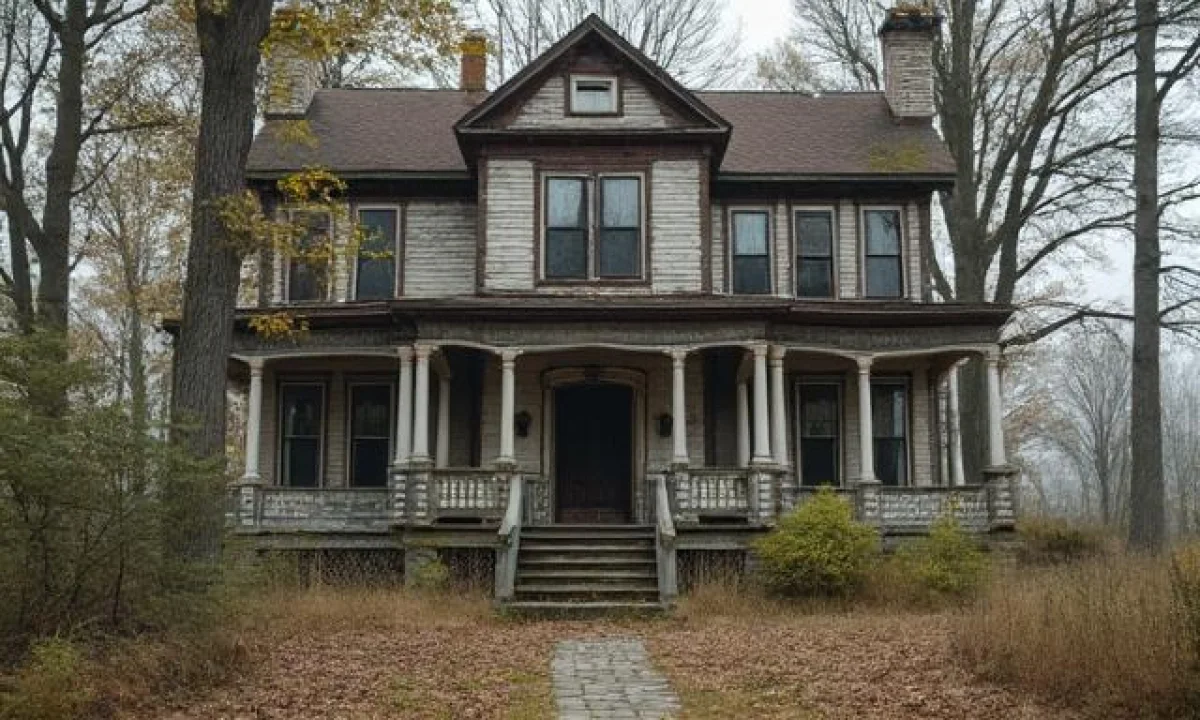
You’re scrolling through Rightmove or Zoopla, dreaming of a place to call your own. But the prices? A joke. £300,000 for a shoebox in Manchester. £500,000 for a semi-detached in London that needs a full gut job. Meanwhile, there’s a house down your street—boarded up, overgrown, windows smashed—sitting empty for years. No one’s living there. No one’s paying the bills. And you’re thinking: Why the hell can’t I have that?
Here’s the truth: You can. But not by squatting (that’s illegal, and you’ll get evicted faster than you can say ‘squatter’s rights’). Not by hoping some rich uncle dies and leaves you a fortune (unless you’ve got one, in which case, congrats—skip this article). No, we’re talking about legally getting an abandoned house for free—or close to it—in the UK. No bank loan. No mortgage. Just you, a bit of hustle, and a property that’s already paid for.
This isn’t a get-rich-quick scheme. It’s a get-a-roof-over-your-head scheme. And if you’re willing to roll up your sleeves, deal with red tape, and maybe sleep on a mattress in a room with no door for a few months? You might just pull it off. So let’s cut the crap. Here’s how to find, claim, and renovate an abandoned house in the UK—for free.
How to Find Abandoned Houses in the UK (Without Looking Like a Creep)
First things first: You can’t just wander around peering into derelict buildings like a Victorian ghost hunter. You need a system. And no, driving through Birmingham’s Tyburn area at 3 AM and hoping for a ‘Free House’ sign isn’t it. Here’s how to find real leads—fast.
1. Start with the Obvious: Classifieds and Local Ads
You’d be surprised how many abandoned or distressed properties pop up in places where no one’s looking. Here’s where to dig:
- Gumtree and Facebook Marketplace: Search for keywords like ‘abandoned,’ ‘distressed,’ ‘fixer-upper,’ or ‘inherited property.’ Filter by ‘free’ or ‘price drop.’ Pro tip: Set up alerts for these terms in your area. Someone’s grandma’s house in Sheffield might’ve been listed for £1 last week—and now it’s yours if you move fast.
- Local council websites: UK councils love selling off properties they’ve repossessed for unpaid taxes. Check your local council’s ‘property for sale’ page. Example: Birmingham City Council lists repossessed homes for as little as £1 (yes, really). Just don’t expect a palace.
- Auction sites (e.g., Auction House, Property Auction): Auctions are where you’ll find ‘as-is’ properties—often abandoned or in such bad shape no one else wants them. Bid low, win big. We’ll cover auction strategies later.
- Charity and church listings: Some charities (like Shelter) or churches inherit properties they can’t maintain. They’ll sometimes give them away to avoid demolition costs. Call local churches in areas like Liverpool or Newcastle—they’ve got old vicarages sitting empty.
Data point: In 2023, 1 in 5 properties sold at auction in the UK were bought for under £50,000. Many of those were abandoned or needed major work. (Source: Property Auction)
2. Hunt for ‘Death Houses’ (Yes, That’s a Real Thing)
This isn’t morbid—it’s opportunistic. When someone dies without a will or heirs, their property gets tied up in probate. Banks and solicitors hate dealing with these. Their solution? Sell them cheap—or give them away—to avoid maintenance costs.
- Probate sales: Websites like Probate Sales list these. Filter for ‘repossessed’ or ‘inherited.’ Example: A 3-bed terrace in Leeds went for £10,000 in 2022 because the owner died intestate (no will). You’d pay £5k in probate fees, but the house was yours.
- Local solicitors: Call firms in areas with high elderly populations (e.g., coastal towns like Blackpool or Bournemouth). Ask if they’ve got any ‘inherited but unwanted’ properties. They’ll often offload them to avoid storage fees.
- Cemeteries and funeral homes: Sounds weird, but funeral directors sometimes know about deceased owners with no heirs. Strike up a chat at a local funeral home. You’d be surprised what you learn.
Data point: £1.2 billion worth of property in the UK is tied up in probate at any given time. That’s a goldmine if you know where to look. (Source: Which?)
3. Use Government and Charity Programs (Yes, They Give Houses Away)
You don’t have to be homeless to qualify for some of these. You just have to be resourceful.
- Help to Buy and Shared Ownership: Not free, but close. If you’ve got a small deposit, you can buy a share of a home (even a fixer-upper) and pay rent on the rest. Check GOV.UK for local schemes.
- Rural Housing Schemes: In areas like Cornwall or the Scottish Highlands, councils give or sell homes for £1 to keep populations stable. Example: Cornwall Council offers ‘affordable rural housing’ for as little as £10,000.
- Charity donations: Organizations like Shelter or Habitat for Humanity sometimes take on abandoned properties, renovate them, and give them to low-income families. Volunteer first, then ask.
- Council ‘Right to Buy’ backfires: If a council house was sold under ‘Right to Buy’ and the buyer abandoned it, the council can repossess it. They’ll often resell it cheap to avoid demolition. Check your local council’s ‘repossessed properties’ list.
Data point: In 2024, 42% of UK councils reported having at least 5 abandoned properties in their area—many available for under £20,000. (Source: Local Government Association)
How to Legally Claim an Abandoned House (Without Ending Up in Court)
Here’s where most people screw up. They see a house, assume no one owns it, and move in. Big mistake. Squatting is illegal in the UK, and you will get evicted—fast. But there are legal ways to claim a property. It’s just a pain in the arse. Let’s break it down.
1. Prove the House Is Actually Abandoned (This Is the Hard Part)
‘Abandoned’ doesn’t mean ‘no one’s lived there for a year.’ It means:
- The owner has no intention of returning or using it.
- No utilities (gas, electric, water) are connected or paid for.
- No one’s maintaining it (overgrown garden, broken windows, mail piling up).
- The council has no record of the owner paying council tax.
How to prove it?
- Check the Land Registry: For £3, you can search GOV.UK’s Land Registry to see who owns the property. If it’s been empty for >6 months with no council tax paid, you’re onto something.
- Talk to the neighbors: Ask how long it’s been empty. If they say ‘5 years’ and the owner’s never been seen? Gold. Get their contact info—they might be useful later.
- Check council tax records: Call your local council (e.g., London Council) and ask if council tax is paid. If not, the property’s likely abandoned.
- Look for ‘adverse possession’ signs: If squatters have been living there for >10 years, they might have a claim. If not, the property could be yours via adverse possession (more on that later).
Data point: In the UK, a property is considered abandoned if it’s been empty for 6+ months with no council tax paid. After 12 months, councils can start repossession proceedings. (Source: GOV.UK)
2. Adverse Possession: How to ‘Steal’ a House Legally (Sort Of)
This is the nuclear option. It’s slow, risky, and requires you to live in the property like you own it—for 10+ years. But if you pull it off? The house is yours. For free.
Here’s how it works:
- Move in: Not as a squatter. As someone who’s openly living there, paying bills (if possible), and acting like the owner. Fix the fence. Mow the lawn. Put your name on the mailbox.
- File a ‘Squatter’s Rights’ claim: After 10 years of continuous occupation, you can apply to the Land Registry to claim ownership via adverse possession. Cost: ~£200.
- Defend your claim: The real owner (if they exist) can challenge you. Be ready to prove you’ve been living there openly for a decade. Keep records: bills, photos, neighbor statements.
- Win the house: If no one challenges you, the Land Registry will transfer ownership to you. Congrats, you’ve just ‘stolen’ a house.
Warning: This is not a get-rich-quick scheme. You’ll need to:
- Live in a derelict house for a decade.
- Deal with squatters trying to kick you out.
- Pay for repairs out of pocket (no mortgage, no bank help).
- Hope the real owner never shows up.
Data point: Only 1 in 20 adverse possession claims succeed in the UK. But if you’ve got nothing to lose and 10 years to kill? It’s an option. (Source: Land Registry)
3. Buy It at Auction (The Faster, Legal Way)
Auctions are where you’ll find the best deals—if you know what you’re doing. Here’s how to win:
| Step | What to Do | Cost |
|---|---|---|
| 1. Find the auction | Use Property Auction or Auction House. Filter for ‘repossessed’ or ‘unmortgaged’ properties. | Free |
| 2. Do your homework | Check the Land Registry, council tax records, and get a structural survey (£500-£1,000). Don’t bid on a house with a collapsed roof unless you’ve got £50k for repairs. | £500-£1,000 |
| 3. Set a budget | Decide your max. Example: If a house is guide-priced at £30k, bid £25k. Walk away if it goes higher. | Varies |
| 4. Bid smart | Don’t get into a bidding war. If someone outbids you, let it go. There’s always another auction. | Winning bid |
| 5. Pay the deposit | You’ll need 10% of the bid upfront (e.g., £2,500 for a £25k house). The rest is due within 28 days. | 10% |
| 6. Complete the purchase | Get a solicitor (£800-£1,500). They’ll handle the legal stuff. Move in before the bank repossesses it again. | £800-£1,500 |
Pro tip: Auction houses love first-time buyers. They’d rather sell to you than let the property sit empty. Walk in, ask for a ‘first-time buyer discount,’ and see what happens.
Data point: The average auction property in the UK sells for £45,000—but 30% of them go for under £20k. (Source: Property Auction)
Renovating Your Abandoned House: How to Turn a Dump into a Home (Without Bankrupting Yourself)
You’ve got the house. Now it’s a moldy, rat-infested nightmare. Congrats. Here’s how to fix it without selling a kidney.
1. Prioritize Like a Pro (Don’t Waste Money on Stupid Shit)
You’ve got three priorities in this order:
- Make it safe: Fix the roof, rewire the electrics, and sort the plumbing. If the house is falling down, no one’s living in it—no matter how cute the kitchen tiles are.
- Make it legal: Get a Habitable Certificate from the council. You’ll need it to live there (or rent it out). Cost: ~£200.
- Make it livable: Now you can worry about floors, paint, and whether your bathroom looks like a 1970s nightmare.
Rule of thumb: Spend 70% of your budget on structural/legal fixes. The other 30% can go on aesthetics.
2. Where to Find Cheap (or Free) Labor and Materials
You’re not hiring a £100/hour contractor. Here’s where to get help:
- Local trade schools: Universities like Leeds Beckett or UCLan have construction students who need real-world experience. Offer them free board + £50/week, and they’ll work for you.
- Prison labor programs: Some UK prisons offer free or discounted labor for renovations. Check GOV.UK’s ‘Prisoner Employment Scheme.’
- Skip diving: Builders throw out perfectly good materials. Hit up local skips (dumpsters) in wealthy areas like Chelsea or Edinburgh. You’ll find hardwood floors, sinks, and even doors.
- Charity shops and Facebook groups: Search ‘Free Building Materials’ on Facebook. People give away pallets, bricks, and tools daily. Example: A guy in Manchester once gave away a brand-new bathroom suite because he ‘didn’t need it.’
- Council ‘Community Renewal’ schemes: Some councils (like London Council) offer grants for renovating abandoned properties. Apply here: GOV.UK Grants.
Data point: The average UK renovation costs £50,000. But if you DIY 60% of the work, you can cut that to £20,000. (Source: Checkatrade)
3. The 3-Month Renovation Plan (How to Do It Fast)
You don’t have 2 years to renovate. You’ve got 3 months to make it livable. Here’s the battle plan:
- Week 1-2: Gut the worst
- Tear out moldy drywall, broken floors, and anything infested with rats/termites.
- Patch holes in the roof (use a tarp if you can’t afford tiles yet).
- Shut off water/electric if it’s unsafe. Call a qualified electrician (£300) to rewire the house. Do not DIY this.
- Week 3-4: Make it safe
- Install a temporary kitchen (camp stove, fridge).
- Set up a portable toilet or fix the plumbing (£1,000-£2,000).
- Board up windows if they’re broken. Get a Habitable Certificate from the council.
- Week 5-12: Make it yours
- Paint walls (£200).
- Lay flooring (£500 for laminate).
- Fix doors, install lights, and move in.
Pro tip: Live in one room while you renovate. It’s cheaper, faster, and you won’t go insane.
Data point: A fully DIY renovation (with help from trade schools/prison programs) can cost as little as £5,000. But expect to spend £20-£30 hours/week sweating. (Source: DIY.com)
So here’s the deal: Getting a free house in the UK isn’t about luck. It’s about hustle. You’ve got to dig through classifieds, charm solicitors, outbid idiots at auctions, and spend months with your hands in plaster and sawdust. But if you’re willing to do the work? You can wake up in a place that’s yours—no mortgage, no landlord, no bullshit.
Start today. Pick one method from this guide—auctions, probate sales, or adverse possession—and go after it. The house you’re dreaming of? It’s out there. And someone’s already walking away from it because they don’t know how to take it.
Now get off your arse and go claim it.
How can I obtain abandoned property for free?
You can get abandoned property for free by checking local government listings or attending property auctions. Sometimes, municipalities offer abandoned homes for renovation at no cost, aiming to revitalize areas. Just remember to follow the legal procedures and be ready to invest in renovations.
Which US city is selling homes for $1?
Detroit has been known to sell homes for as little as $1 in specific programmes aimed at revitalising the city. It’s a great chance if you’re willing to put in the work to renovate. Keep an eye on local listings for updates on these opportunities.
Is there a way to get a house for free?
Yes, you can potentially get a house for free through government programs or donations from individuals who want to offload abandoned properties. However, it often requires you to commit to renovations and upkeep, so be prepared for some effort.
How can I buy an abandoned house?
To buy an abandoned house, start by searching classified ads and local listings. You might find properties that are up for grabs due to neglect. Make sure you understand the legal procedures involved in acquiring such properties, as they can be quite complex.
Where can I find free abandoned houses near me?
Check your local council’s website or real estate listings for abandoned homes in your area. Websites dedicated to property auctions and community boards can also be goldmines for finding free or very cheap houses that need a little love.
What are the risks of getting an abandoned house?
Acquiring an abandoned house can come with risks like hidden structural issues and potential legal complications. Make sure you conduct thorough inspections and understand any liabilities. It’s essential to be prepared for renovation costs and time.
Can I get a free house from the government?
Yes, some government programs offer free houses, especially in areas needing revitalisation. Look into local initiatives or grants aimed at encouraging homeownership. Always check the eligibility requirements and be ready to invest in the property.